The Three Ingredients That Tend to Affect Self-regulation Are
It also depends on the economic impacts social health and rights of the citizens in the state. This means that group B will show the lowest followed by groups C D and A.
Identity Formation Adolescent Psychology
We will not attempt a comprehensive account of all the phenomena concerned with limiting the self but discuss three main foci of self-regulation research in recent years.
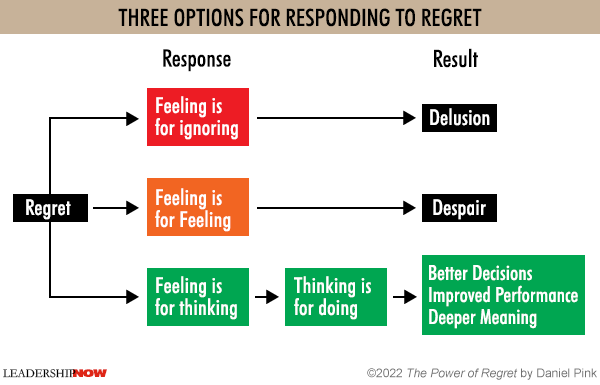
. 2 conscientiousness extraversion and openness. 3c Both affect balance as well as working alliance moderate the direct. - the sense of the self as an embodied actor whose social performances may be construed in terms of more or less consistent self-ascribed traits and social roles.
The third is the capacity to change. The second is monitoring which means keeping track of the target behavior that is to be regulated. In the following I will distinguish three levels in the developmental trajectory of affect regulation.
Consequently there are some. 1 the autobiographical author the social actor and the motivated agent. Effective self-control hinges on all three ingredients working together.
When government regulation has an infringement on the rights of its people and can affect the country at hand it is better to impose a more friendly regulation to avoid contradicting such acts. Life and work can be stressful so its important to practice techniques to help with self-regulation so you can thoughtfully choose how to respond during trying times. Question 1 1 point Saved The three ingredients that tend to affect self-regulation are.
Self-efficacy and self-Regulation are linked to learning as they are based on how students learn. Pre-dyadic regulation see section Pre-dyadic Regulation dyadic regulation see section Dyadic Regulation. One does not need to be a therapist to help address these three crucial elements of healing.
The Mirroring Other as a Beacon of Orientation and increasing self-regulation see section Social Referencing Internalization and Increasing Self-regulation. 3a Affect balance moderates the direct effects of nonverbal synchrony on a clients self-regulation operationalized through result-oriented problem and self-reflection RoPS. Tap again to see term.
Be kind to yourself. 3b Working alliance moderates the direct effects of nonverbal synchrony on a clients self-regulation RoPS. Three Ingredients of Self-Regulation.
Self-regulation Theory stems from Social Cognitive Theory and posits that disease management strategies are learned through continuous and reciprocal self-regulatory processes namely observation judgment and reaction Clark Gong Kaciroti 2001. The first is standards which are ideas about how things should or should not be. Pre-dyadic regulation see section Pre-dyadic Regulation dyadic regulation see section Dyadic Regulation.
The higher the students self-regulation the higher their self-efficacy. Click card to see definition. Low levels of cooperative learning self.
The development of safety the promotion of healing relation-ships and the teaching of self-management. Goal pursuit emotion regulation and ego-depletionhow exercising self-control in one domain diminishes ones capacity to do so in a second domain. The Mirroring Other as a Beacon of Orientation and increasing self-regulation see section Social Referencing Internalization and Increasing Self.
For self-regulation to be effective four parts or ingredients are involved. We will define and describe each independently however they are all interrelated and can be used independently or in combination. Standards are an indispensable foundation for self-regulation.
The first is standards which are ideas about how things should or should not be. The second is monitoring which means keeping track of the target behavior that is to be regulated. Click again to see term.
Align your goals with your values. A second hypothesis was that these groups will show different levels of academic self-efficacy. For instance a person can have the capability.
In the following I will distinguish three levels in the developmental trajectory of affect regulation. Harris Reid and Graham in press describe four cornerstones of self-regulation. Results obtained support both hypothesis and they revealed four clusters.
Self-regulation is a persons ability to monitor and manage his her behavior or thoughts changing them to match the demands of the situation. What are the 3 ingredients that tend to affect self-regulation. 2 lowers inhibitory system decreased self awareness 3 depleted blood glucose levels.
Zimmerman Schunk 2013. Tap card to see definition. Self-monitoring self-instruction goal setting and self-reinforcement.
Numerous factors affect our self-control strength such as mental exhaustion and stress. The two regulations are to be imposed. For self-regulation to be effective three parts or ingredients are involved.
4 standards monitoring and capacity to change. 3 theory of mind social learning theory and gender schema theory. Without monitoring you know what you need to do and have the energy to do it but you struggle to accomplish much because you do not keep track of your progress.
The four components of self-regulation theory described by Roy Baumeister are standards of desirable behavior motivation to meet standards monitoring of situations and thoughts that precede breaking standards and willpower or the internal strength to control urges. Capacity Mental Resources Monitoring Self Awareness and Standards Goals. When applied to asthma caregiver abilities to effectively observe.
Here are some steps for developing your self-regulation abilities. The 3 Emotion Regulation Systems Professor Paul Gilbert who has been knighted Order of the British Empire for his incredible contribution to the field of Psychology proposed that we have three main kinds of emotion regulation systems and that adverse early experiences can lead to an unbalance between these systems. Focus on issues of safety affect regulation coping and self-management skills as well as on the thera-peutic relationship itself p.
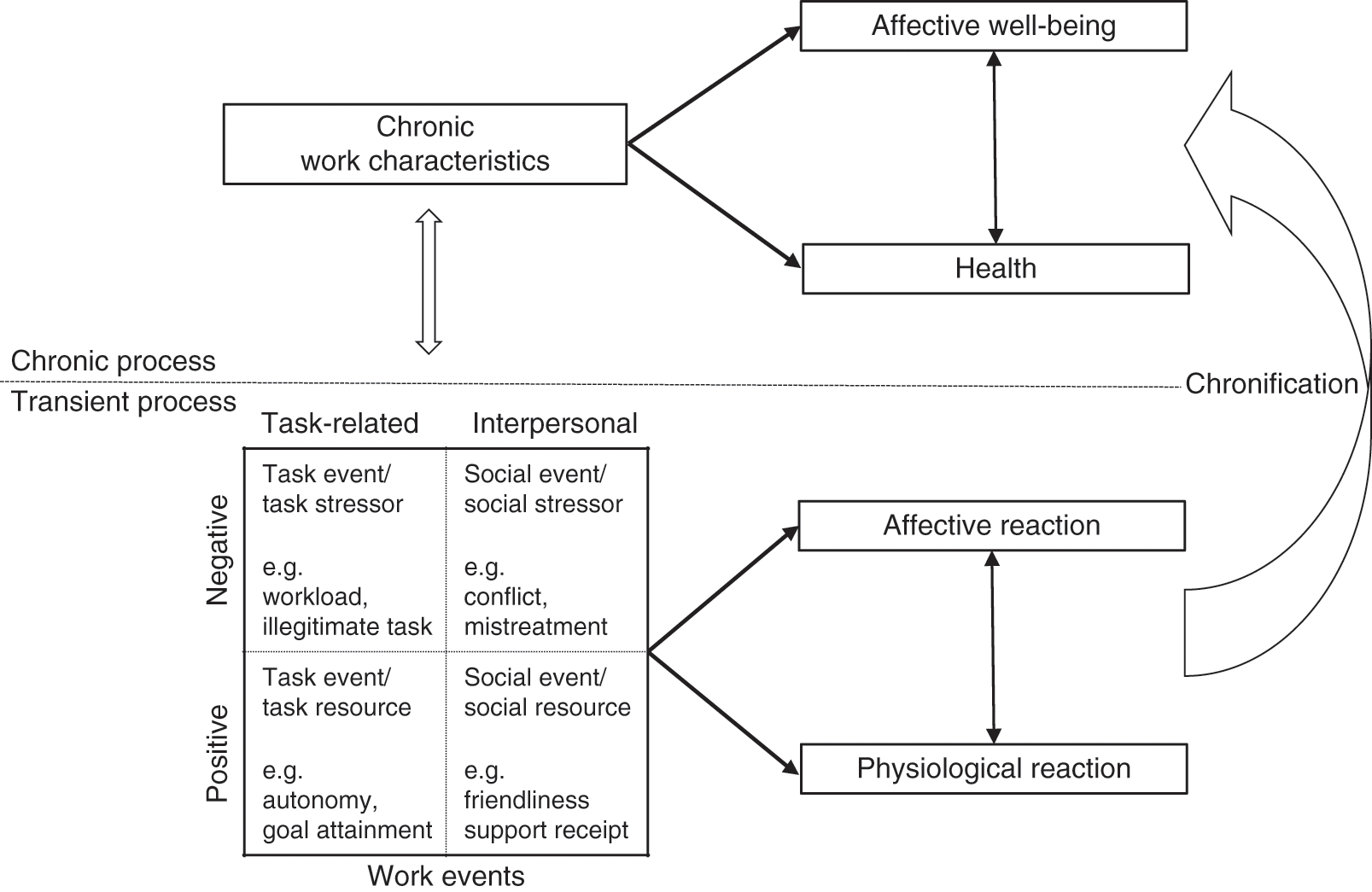
Workplace Affect And Individual Worker Outcomes Part Ii The Cambridge Handbook Of Workplace Affect

Pdf Temporal Self Regulation Theory A Model For Individual Health Behavior
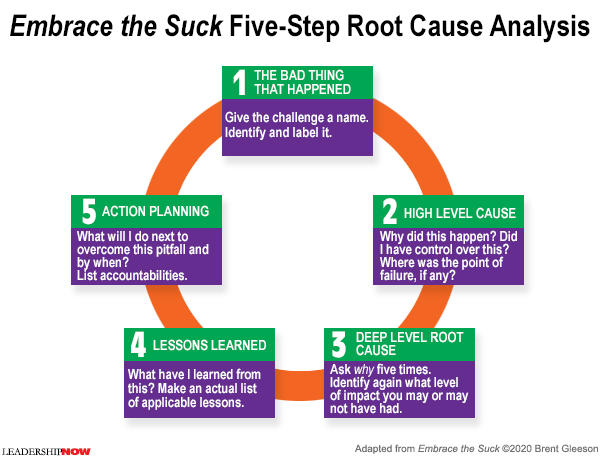
Leading Blog A Leadership Blog

Self Regulation And Conscientiousness Psychology And Human Relations

Self Regulation And Conscientiousness Psychology And Human Relations

Pdf Self Regulation Cooperative Learning And Academic Self Efficacy Interactions To Prevent School Failure
Full Article Motivating Voluntary Compliance To Behavioural Restrictions Self Determination Theory Based Checklist Of Principles For Covid 19 And Other Emergency Communications

Pdf Spent Resources Self Regulatory Resource Availability Affects Impulse Buying

Attention Deficit Hyperactivity Disorder Adhd Causes Symptoms Treatments

Pdf Joy And Calm How An Evolutionary Functional Model Of Affect Regulation Informs Positive Emotions In Nature
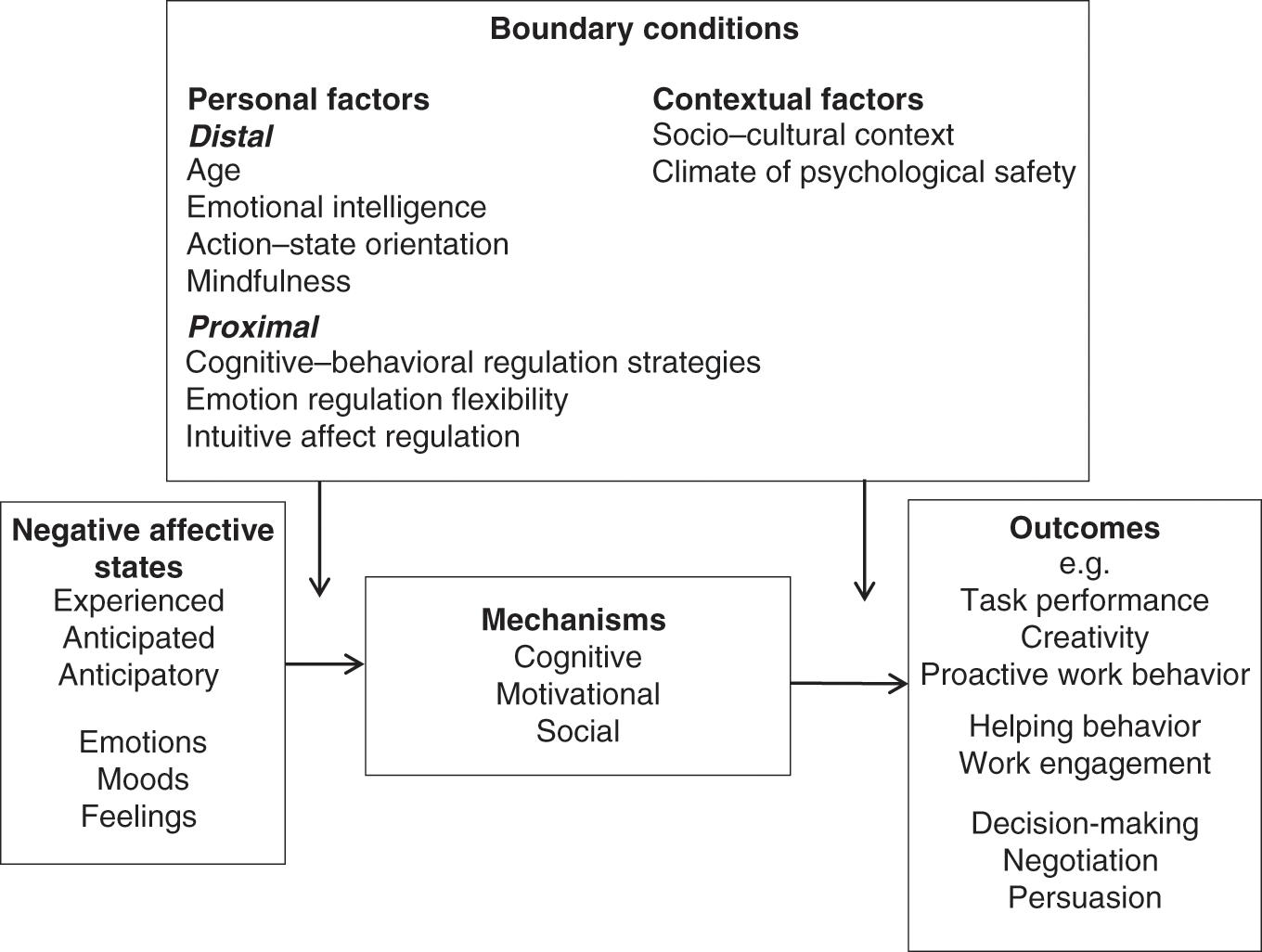
Workplace Affect And Individual Worker Outcomes Part Ii The Cambridge Handbook Of Workplace Affect

Pdf Lindenberg S 2013 Social Rationality Self Regulation And Well Being The Regulatory Significance Of Needs Goals And The Self Pp 72 112 In R Wittek T A B Snijders And V Nee Eds Handbook Of Rational Choice
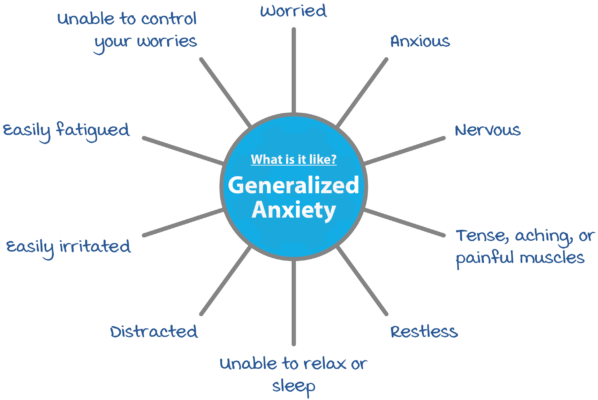
Generalized Anxiety Disorder Gad And Worry Psychology Tools
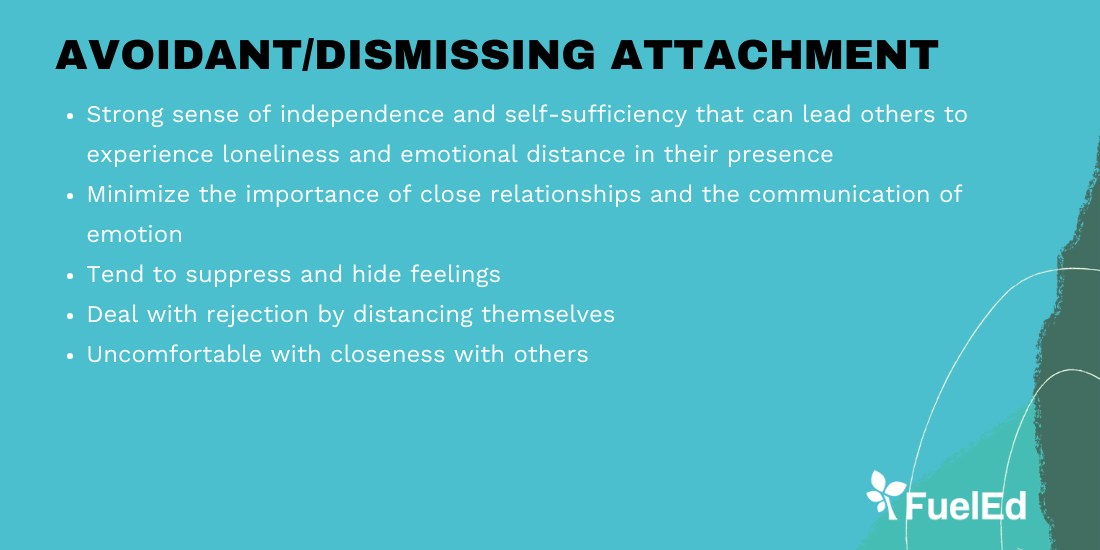
How Your Attachment Style Impacts Your Stress Response Fueled

Self Regulation And Conscientiousness Psychology And Human Relations
Leading Blog A Leadership Blog
Leading Blog A Leadership Blog

Self Regulation And Conscientiousness Psychology And Human Relations
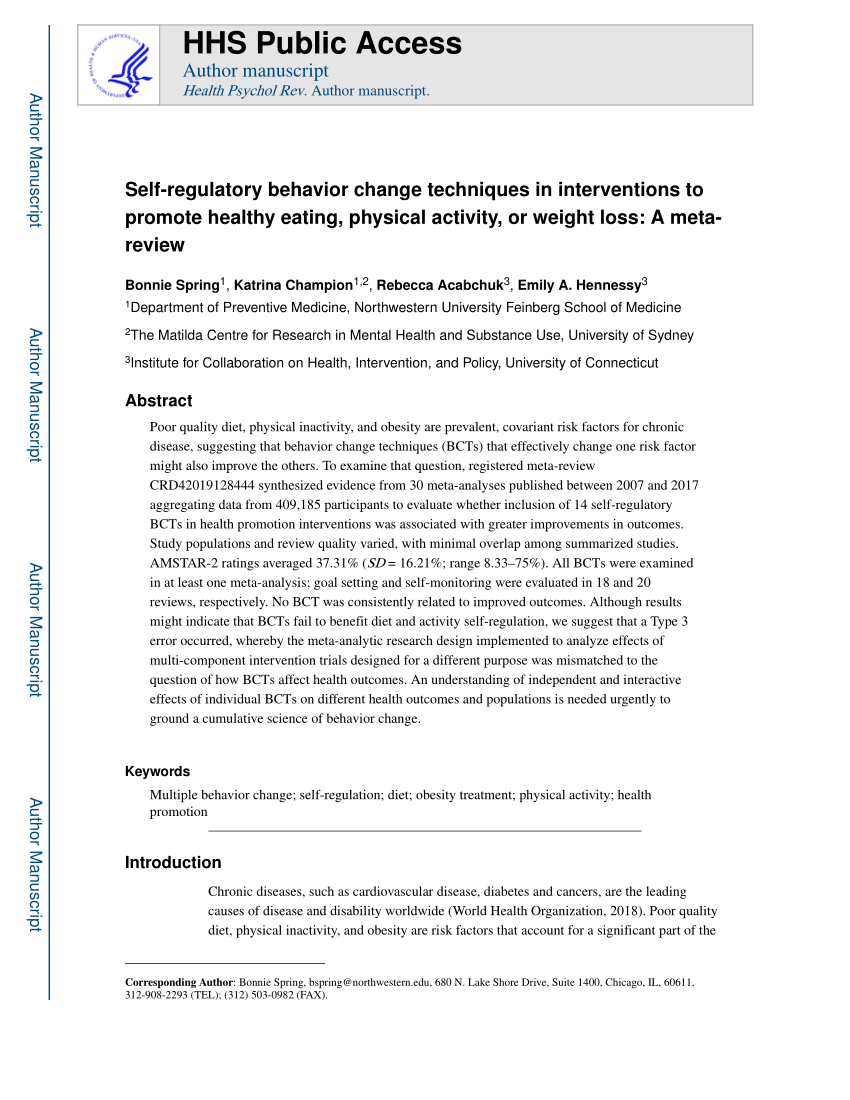
Pdf Self Regulatory Behavior Change Techniques In Interventions To Promote Healthy Eating Physical Activity Or Weight Loss A Meta Review


Comments
Post a Comment